The Powerful Link Between Exercise and Depression: How Moving Your Body Can Lift Your Mood

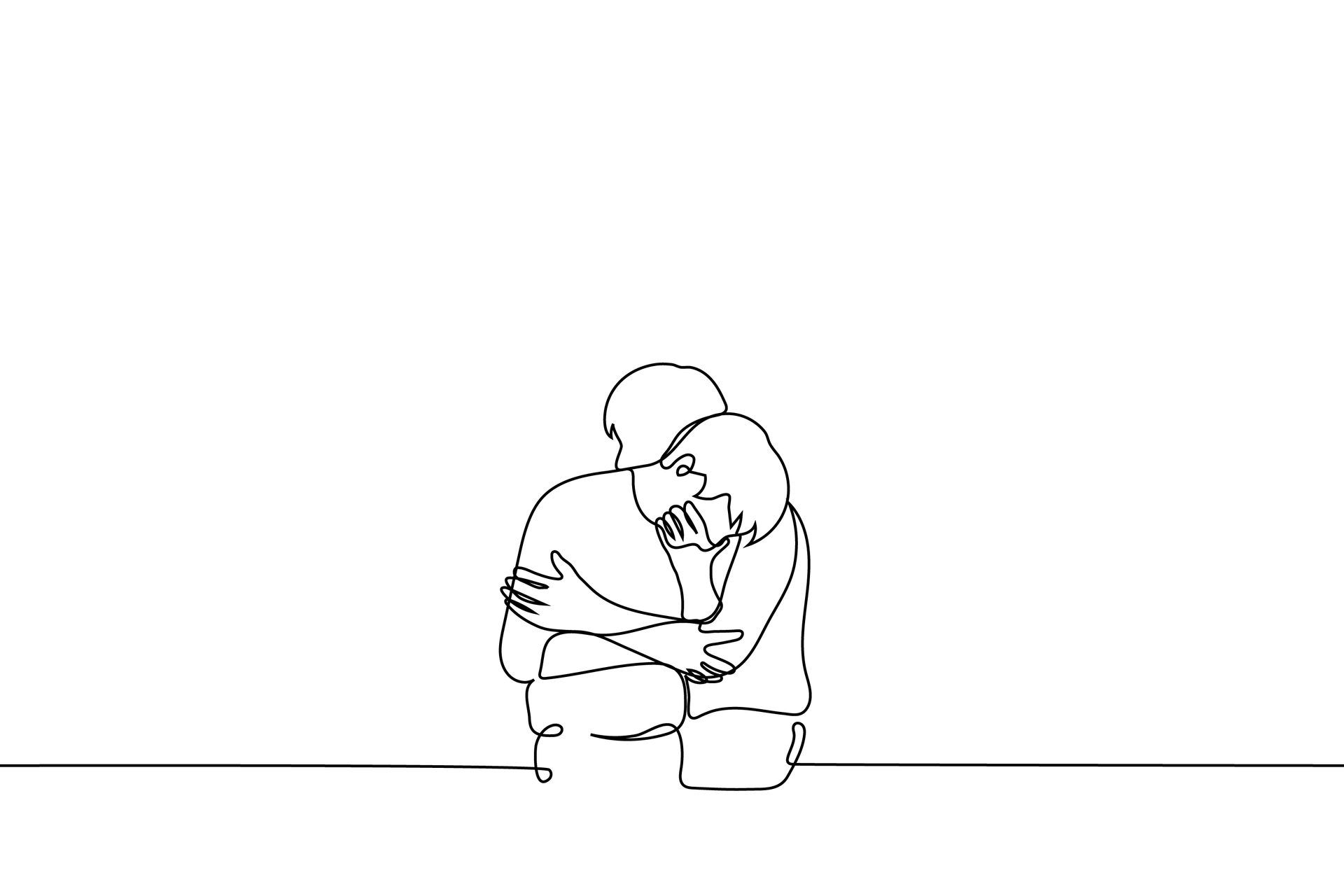
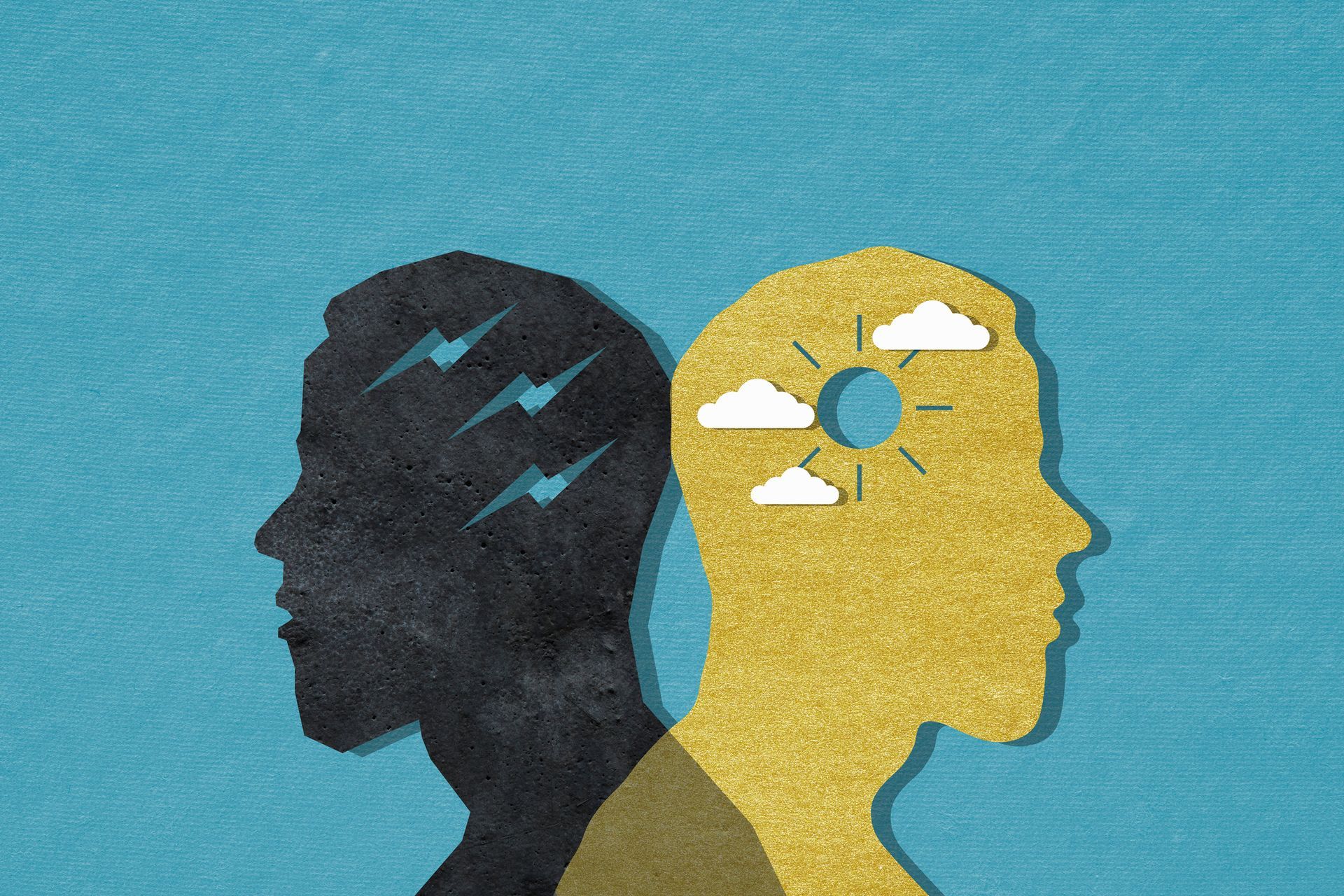
Depression is a complex and often isolating condition, one that affects millions of people around the world. While there are various treatments for depression, ranging from therapy to medication, there is another powerful tool that can help fight off those dark feelings: exercise. Whether you're a seasoned athlete or someone who’s never set foot in a gym, engaging in regular physical activity can provide significant mental health benefits.
1. Boosts Your Mood with Endorphins
When we talk about the mental health benefits of exercise, the word "endorphins" often comes up. Endorphins are neurotransmitters that act as natural painkillers and mood elevators. When you engage in physical activity, your brain releases these chemicals, which can lead to an improved sense of well-being and even a temporary "high." This is why people often report feeling happier and less stressed after a workout.
For those struggling with depression, endorphins can provide a natural, drug-free way to feel better. While it might not cure depression overnight, regular exercise can help balance the chemicals in the brain, giving your mental health a much-needed boost.
2. Reduces Anxiety and Stress
Exercise is also a fantastic tool for reducing stress and anxiety, both of which often accompany depression. Physical activity helps reduce the levels of the body's stress hormones, such as cortisol, while increasing the production of neurotransmitters like serotonin. This can help alleviate feelings of anxiousness, worry, and agitation.
When you engage in exercise, particularly activities like running, cycling, or yoga, your focus tends to shift away from worries and onto the movement of your body. This shift can give you a much-needed mental break and offer some relief from the constant stress that often accompanies depressive states.
3. Improves Sleep Quality
Sleep problems are common in people suffering from depression. Insomnia, oversleeping, or disrupted sleep cycles can further contribute to a person’s depressive symptoms, creating a vicious cycle. Exercise can be an effective way to regulate your sleep patterns.
Physical activity increases the body’s core temperature, and when it returns to normal after exercise, it promotes deeper, more restful sleep. By helping to regulate the sleep-wake cycle, exercise can lead to improved quality of sleep, which is crucial for mental health recovery.
4. Builds Confidence and Self-Esteem
Depression can take a heavy toll on self-esteem and self-worth. Many individuals with depression may feel inadequate or as though they lack control over their lives. Exercise offers a sense of accomplishment that can be incredibly empowering. Whether it’s completing a workout, reaching a fitness goal, or simply showing up and moving your body, the act of exercising can help you feel more capable and confident.
Moreover, as you begin to see physical improvements in your fitness—whether it’s increased strength, endurance, or flexibility—these tangible changes can positively affect how you see yourself. This gradual improvement can build a sense of control over your body and mind, which is invaluable when combating depression.
5. Provides a Healthy Coping Mechanism
One of the challenges of depression is learning how to cope with negative emotions. Some people turn to unhealthy habits such as overeating, substance use, or social withdrawal. Exercise, on the other hand, provides a constructive and healthy way to channel negative energy. Instead of engaging in habits that may worsen your mood or health, physical activity offers an alternative outlet for stress and frustration.
Even a short walk outside or a gentle stretching session can provide mental clarity and act as a moment of relief. Over time, exercise can become a valuable coping mechanism that reduces the need for harmful behaviors, promoting healthier ways to deal with difficult emotions.
6. Increases Social Interaction
For many individuals, depression can lead to social withdrawal, making it harder to engage with others. However, joining a group exercise class, working out with a friend, or even participating in outdoor activities can help you reconnect with others. Social interaction can lift your spirits and provide a support network that is essential for maintaining mental health.
Exercise groups, team sports, and fitness classes can help you feel part of a community, reducing feelings of isolation and loneliness. The sense of belonging and camaraderie that comes with exercising alongside others can enhance your mental health and combat depression.
7. Helps You Take Control of Your Health
Depression can often make individuals feel powerless, as if they're caught in a situation they can't escape. Engaging in regular exercise is one way to reclaim a sense of control. By dedicating time to care for your body through movement, you take an active role in improving both your physical and mental health.
Exercise not only strengthens the body but can also offer a sense of agency and purpose, helping you feel more in control of your daily life. The more consistent your exercise routine, the more it becomes an empowering reminder that you are capable of taking steps toward a healthier, happier future.
8. It Doesn’t Have to Be Intense
The beauty of exercise is that it doesn't have to be strenuous to provide mental health benefits. In fact, moderate activity can often be just as effective, especially for those struggling with depression. Whether it’s a brisk walk, a swim, or a few minutes of stretching, the key is consistency. The idea is to find a form of movement that feels good and fits into your life—no need to push yourself to the extreme.
Even if you start with small goals, the benefits will compound over time. The simple act of moving your body is a powerful tool in managing and alleviating symptoms of depression.
Final Thoughts
Exercise is far more than just a physical activity—it is a powerful ally in the fight against depression. It can help boost mood, reduce stress and anxiety, improve sleep, and foster a sense of accomplishment and connection with others. If you’re struggling with depression, adding exercise to your routine could make a significant difference in your mental health.
Remember, you don’t have to start big. Just moving your body, even in small ways, can have a profound impact. If you're unsure where to begin, consider reaching out to a healthcare professional or fitness expert who can help tailor an approach that's right for you. Your mental health deserves attention, and exercise may just be the uplifting tool you need.