Navigating the Storm: Healthy Ways to Deal with Grief and Loss
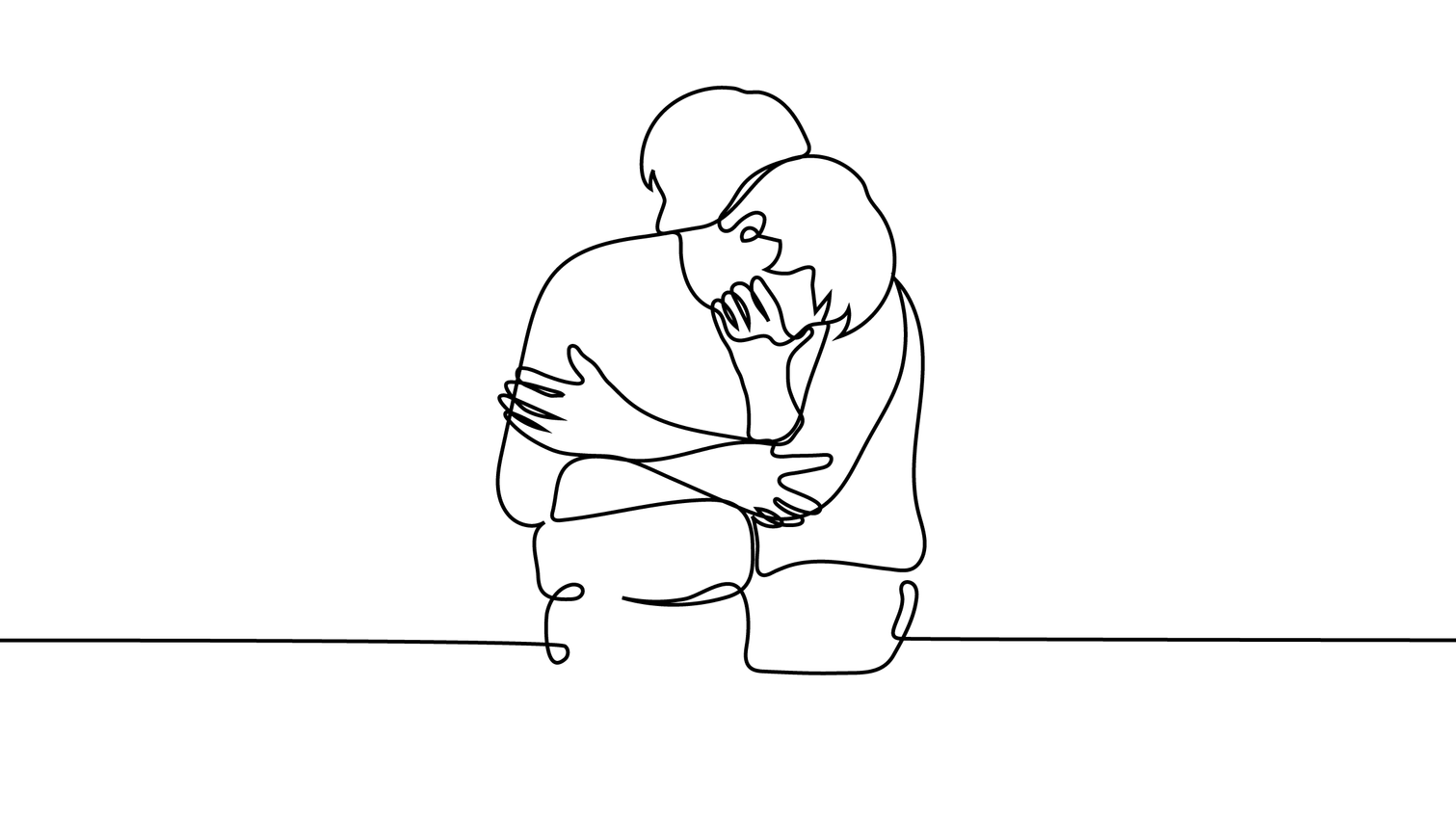
Grief is a deeply personal experience, one that can feel as if your world has been upended. Whether you’ve lost a loved one, a pet, a relationship, or even a dream, the process of grief is unique to each person. Yet, there are shared ways to manage these overwhelming emotions, help heal, and eventually find a sense of peace.
Here are several approaches to coping with grief and loss that may help you or a loved one navigate this difficult journey:
1. Allow Yourself to Grieve
It’s easy to think you should “get over it” or “move on” after a loss, but grief doesn’t have a set timeline. It’s important to allow yourself to feel the full spectrum of emotions: sadness, anger, confusion, or even numbness. These feelings are natural, and suppressing them can often lead to greater emotional strain. Cry if you need to, yell if you feel the urge, and take time for yourself to simply process. Grief is a process, not an event, and it unfolds in its own time.
2. Lean on Your Support System
Grief can feel incredibly isolating, but you don’t have to go through it alone. Talk to friends, family, or trusted individuals who can offer comfort and understanding. It’s okay to ask for help, whether you need someone to listen or someone to just be there with you in silence. Sometimes, just knowing you’re not alone can make a world of difference.
3. Create Rituals or Memorials
Creating rituals or finding ways to honor the person or thing you've lost can help bring closure. Whether it's lighting a candle, planting a tree, creating a scrapbook, or even writing letters to express your feelings, these acts can offer a tangible way to express your grief and preserve memories. Memorials can be as personal as you need them to be and can provide a sense of connection to your loss.
4. Practice Self-Care
Grief can take a toll on your mental, emotional, and physical health, so it’s essential to prioritize self-care. While it might feel like the world is crumbling, your body and mind still need nourishment. Make time for rest, eat nourishing foods, and engage in activities that help you feel a sense of calm or relaxation—whether that’s taking walks, meditating, journaling, or simply watching your favorite comfort show. It’s crucial to care for yourself during this challenging time.
5. Seek Professional Help If Needed
Sometimes, the weight of grief can become too much to bear alone. If you find yourself struggling to cope or feeling overwhelmed by your emotions, seeking professional support can be an important step in healing. Therapists, grief counselors, or support groups can provide guidance and coping strategies that are tailored to your specific experience. There’s no shame in reaching out for help.
6. Understand That Grief Is Not Linear
Grief is often depicted as a series of stages—denial, anger, bargaining, depression, acceptance—but the reality is that it’s not a neat progression. You may experience these feelings in any order or revisit certain stages multiple times. There is no “right” way to grieve. The important thing is to allow yourself to feel what you’re feeling without judgment. Over time, the intensity of grief will change, and you’ll start to find a new normal.
7. Express Your Emotions Creatively
Creativity can be a powerful tool for processing grief. Art, writing, music, dance, or any other form of creative expression can help you release emotions that are difficult to put into words. Whether it’s through drawing, painting, writing poems, or composing music, letting your grief flow through creative channels can offer relief and healing.
8. Take It One Day at a Time
When grief feels all-encompassing, the future can seem overwhelming. Focusing on just one day, or even just one moment, can help make the journey feel more manageable. Celebrate the small wins: getting out of bed, going for a short walk, or making it through a difficult conversation. Each step, no matter how small, is part of the healing process.
9. Be Compassionate with Yourself
Grief doesn’t have a set timeline, and it’s okay to have days when you feel like you’re taking two steps back. Don’t berate yourself for not “getting over it” or for feeling like you’re stuck in your grief. Allow yourself to experience grief at your own pace. Be gentle with your own heart and give yourself the grace to heal in your own time.
10. Find Meaning and Purpose
After a significant loss, it can feel like life has lost its meaning. Over time, many people find comfort in searching for new ways to create meaning, whether it’s by honoring the memory of a loved one, engaging in causes that align with their values, or finding new passions and goals. You may not feel ready to do this right away, but when you’re ready, reconnecting with your sense of purpose can provide a new sense of direction.
Conclusion: Healing Is Possible
Grief is one of the most challenging human experiences, but it’s also one of the most universal. Remember, there is no "right" way to grieve, and your journey will be unique to you. While the pain of loss may never fully disappear, with time, support, and self-compassion, healing is possible. Be patient with yourself, and trust that, like any storm, grief will eventually pass, leaving space for growth, peace, and a renewed sense of strength.
If you or someone you know is struggling with grief, consider reaching out to a professional for guidance or joining a support group. You don't have to go through it alone, and taking the first step toward healing can make all the difference.